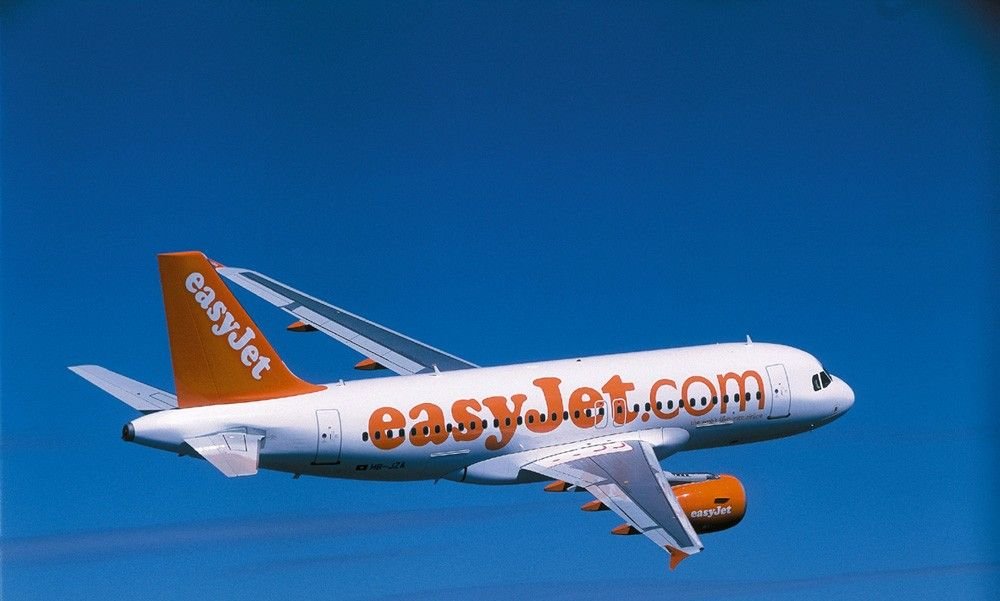

Understanding the EasyJet U22152 Incident
The EasyJet U22152 flight, which embarked on its journey from Berlin to London, experienced an unanticipated emergency that necessitated immediate action. Scheduled to depart on a routine flight, the aircraft was filled with passengers eager to return home. However, shortly after takeoff, a technical malfunction prompted the crew to declare an emergency, a situation that understandably created concern among those onboard.
The nature of the emergency was related to a reported engine issue, which required the flight to return to the departure airport. As the plane circled back, cabin crew ensured that passengers were informed and reassured, while following safety protocols designed for such scenarios. Ground control was alerted, and emergency services were prepared to assist upon landing.
This incident, significant in nature, highlighted the critical protocols airlines must adhere to during emergencies. The swift response of the EasyJet pilots, who executed procedures to ensure the aircraft’s safe return, played an essential role in alleviating potential risks. Upon landing, passengers disembarked safely, although understandably shaken, showcasing the effectiveness of crew training in crisis situations.
Key events unfolded as on-site emergency teams assessed the situation. Initial reports indicated that all passengers and crew members were unharmed, leading to an investigation focused on the aircraft’s technical systems. The EasyJet U22152 incident serves as a reminder of the complexities of aviation and the rigorous safety measures that airlines maintain to protect their passengers.
This occurrence prompted discussions among travelers about the reliability of air travel, especially concerning technical safety considerations. EasyJet’s handling of the U22152 emergency in Germany underlines the importance of communication and readiness for unforeseen events, reinforcing passenger confidence in aviation safety protocols.
Immediate Response and Safety Protocols
The emergency involving EasyJet flight U22152 raised significant concerns among passengers and crew alike. Following the incident, immediate responses were crucial in ensuring the safety of all individuals onboard. The crew, trained rigorously in emergency procedures, quickly assessed the situation and took appropriate actions to secure the aircraft and its passengers. This included activating emergency protocols which involved coordinating with ground control and preparing for a swift landing.
Upon landing at the designated airport in Germany, emergency services were promptly deployed. Fire trucks and ambulances were on standby, ready to assist as soon as the aircraft came to a complete stop. The crew efficiently guided passengers through emergency exits, ensuring their safe evacuation amid the heightened anxiety and confusion following the emergency. Every aspect of the crew’s training came into play, from maintaining calm to effectively communicating the necessary evacuation procedures.
Reactions from passengers varied widely, with some expressing fear and confusion, while others praised the crew for their professionalism in handling the crisis. This mixture of emotions showcased the intensity of the moment as individuals processed the unfolding situation around them. The airline’s rapid mobilization of emergency services played a critical role in managing any potential injuries and ensuring health checks for all passengers were conducted without delay. Overall, the incident highlighted the importance of comprehensive safety protocols, which are designed to minimize risks during emergencies like the EasyJet U22152 event.
In light of such occurrences, it is essential for airlines to continue refining their emergency response strategies, ensuring that all crew members are equipped with the skills needed to handle unexpected situations effectively and prioritize passenger safety above all else.
Passenger Experiences and Reactions
The emergency situation on EasyJet flight U22152 in Germany has elicited a range of responses from passengers who found themselves in a tense and uncertain environment. Many passengers described the moments leading up to the emergency as filled with anxiety and confusion. Some reported feeling a heightened sense of fear as they awaited further information from the crew. One passenger recounted, “We could sense that something was wrong. The cabin crew was more alert than usual, which only added to our worries.”
As the situation unfolded, the reactions varied significantly among the passengers. While some tried to remain calm, offering reassurance to their fellow travelers, others expressed frustration. A key theme from these experiences was the need for timely communication. Passengers appreciated the crew’s efforts to keep them informed, though many felt that clearer updates could have alleviated some of the distress. “I wish we had been informed sooner about what was happening. It felt like we were left in the dark for too long,” one traveler reflected.
The situation also generated substantial discussion across social media platforms. Many individuals took to Twitter and Facebook to share their experiences in real time. Reactions ranged from support for the crew’s management of the emergency to criticism regarding the airline’s overall communication strategy. News outlets also provided coverage, encapsulating various passenger accounts while emphasizing the seriousness of the incident. The public’s sentiment mirrored the diverse feelings held by those on board—some praised EasyJet for its quick response, while others raised concerns about airline safety practices and the handling of emergencies.
In conclusion, the passenger experiences aboard EasyJet flight U22152 highlight the profound impact that emergency situations can have on travelers. The combination of fear, uncertainty, and the need for effective communication played a crucial role in shaping their overall experience during this unsettling event in Germany.
Lessons Learned and Future Implications
The EasyJet U22152 emergency incident that occurred in Germany has revealed several critical lessons which could significantly shape the future of airline operations. First and foremost, it underscores the necessity for enhanced safety regulations in the aviation industry. Regulatory authorities may need to reassess their protocols based on the findings from this event, focusing on identifying vulnerabilities in emergency response procedures.
Experts argue that one of the most important implications of such emergencies is the need for comprehensive and ongoing training for airline crews. Regular drills and simulation exercises should encompass a variety of potential emergency situations, ensuring that personnel are well-versed in their roles and responsibilities. This incident serves as a reminder that even experienced aviators must continuously refine their skills in emergency management to mitigate risks effectively.
Furthermore, the EasyJet U22152 event highlights the importance of communication protocols during crises. Efficient, transparent communication between the cockpit crew and cabin personnel, as well as with ground control, can either avert a disaster or exacerbate the situation. Travel professionals are encouraged to invest in integrated technology that facilitates immediate and clear communication during emergencies.
Additionally, the airline industry must prioritize passenger education. Familiarizing passengers with safety procedures and emergency protocols can significantly enhance safety outcomes. Future airline policies might include pre-flight video demonstrations or interactive safety briefings to ensure that travelers understand what actions to take during an emergency.
In conclusion, reviewing the EasyJet U22152 emergency is paramount for continuous improvement in aviation safety. The lessons learned not only reinforce the need for robust regulations and crew training but also emphasize the vital role of effective communication and passenger awareness. Moving forward, these insights will be instrumental in preventing similar incidents and fostering a safer flying environment for all travelers.