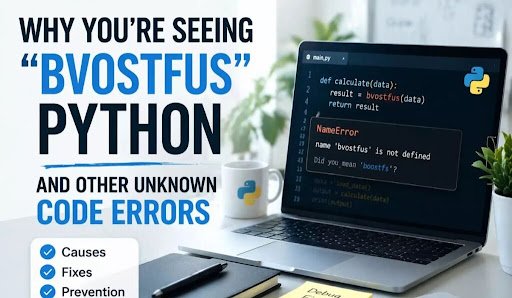

What is BVostfus Python?
BVostfus Python is a versatile programming framework designed to simplify complex tasks and enhance productivity for developers. It functions as a high-level programming language built on the foundation of Python, making it accessible to both novice programmers and seasoned experts. The architecture of BVostfus Python emphasizes code readability, which in turn facilitates easier maintenance and collaboration among teams. This is especially crucial in today’s fast-paced development environments.
The primary functions of BVostfus Python center around data manipulation and analysis, software automation, and web development. These functions make it suitable for a variety of applications, such as building web applications, scripting, and data-driven projects. Furthermore, it seamlessly integrates with libraries and frameworks prevalent in the Python ecosystem, such as Pandas for data analysis and Flask for web development, thereby offering users a rich toolkit for tackling diverse programming challenges.
Some advantages of using BVostfus Python include its robust community support, which ensures that users have access to extensive documentation, tutorials, and forums for problem resolution. Additionally, the framework’s modular design allows developers to customize their programming environment to suit specific needs, ultimately enhancing efficiency. Given its gradual learning curve, individuals new to programming can start with basic concepts and expand their skill set as they become more comfortable.
As technological advancements continue to evolve, the relevance of BVostfus Python becomes increasingly apparent. Its adaptability ranges across various domains, including machine learning, data science, and application development, making it a valuable asset for anyone looking to harness the power of Python programming effectively. Those interested in utilizing this framework should consider the benefits of installing BVostfus Python to fully harness its capabilities.
System Requirements and Prerequisites
Before attempting to install BVostfus Python, it is important to ensure that your system meets specific requirements. BVostfus is compatible with various operating systems, including Windows, macOS, and major Linux distributions such as Ubuntu, Fedora, and CentOS. Each of these operating systems provides a suitable environment for running BVostfus effectively.
In terms of hardware specifications, a minimum of 4 GB of RAM is recommended to ensure smooth operation, while 8 GB or more is ideal for handling larger datasets and more complex tasks. Additionally, having at least 2 GHz dual-core processor will enhance performance during the execution of scripts written in BVostfus Python.
It is also essential to have Python installed on your system, as BVostfus relies on Python’s infrastructure. The recommended version of Python is 3.7 or later. If you have not yet installed Python, you can download it from the official Python website. Make sure to follow the installation instructions specific to your operating system. Furthermore, prior to the installation of BVostfus Python, check that your system has access to pip, the package installer for Python, which allows for the easy installation of additional dependencies required for BVostfus.
Depending on your projects, certain libraries may also need to be installed. Common Python libraries like NumPy, pandas, and matplotlib might be necessary depending on the functionalities you wish to utilize within BVostfus. These libraries can also be easily installed using pip.
Overall, ensuring that these system requirements are met prior to proceeding with the installation will facilitate a smoother setup experience and optimal performance when working with BVostfus Python.
Step-by-Step Guide to Install BVostfus Python
Installing BVostfus Python can significantly enhance your development experience. This guide provides a step-by-step approach for various operating systems: Windows, macOS, and Linux. Each operating system has its own nuances, and understanding these variations is crucial for a successful installation.
For Windows: Begin by visiting the official BVostfus website and downloading the latest version of BVostfus Python. Run the installer and ensure to check the box that says “Add Python to PATH” during this process. This is critical as it simplifies the command-line usage afterwards. Once the installation completes, verify it by opening Command Prompt and typing python --version. The output should display the installed version of BVostfus Python.
For macOS: The easiest way to install BVostfus Python on macOS is through Homebrew. First, ensure that Homebrew is installed on your machine. If not, run the command /bin/bash -c "/usr/bin/ruby -e \"$(curl -fsSL https://raw.githubusercontent.com/Homebrew/install/master/install)"" in the terminal. Once Homebrew is set up, execute brew install bvostfus-python to install BVostfus Python. Confirm the installation by typing python3 --version in the terminal.
For Linux: Most Linux distributions allow the installation through the terminal. Update your package list using sudo apt update, and then install BVostfus Python using sudo apt install bvostfus-python. After the installation, verify the process by typing python3 --version in the terminal. Ensure you have the prerequisites, such as build-essential and libssl-dev, which are necessary for compiling and installing additional packages.
Common pitfalls include forgetting to update environment variables, especially on Windows, and dependency issues on Linux. Always consult the official documentation if you encounter issues, as many resources are available to assist you in resolving installation challenges.
Troubleshooting Common Installation Issues
When attempting to install BVostfus Python, users may encounter several common installation issues that can hinder the process. Identifying and resolving these problems can streamline the installation experience and ensure a successful setup. Below are some prevalent issues along with practical solutions and tips.
One frequent issue is compatibility problems with the operating system. Users should ensure that they are using a supported version of Python, as older or newer versions might lead to conflicts. Additionally, always check BVostfus Python’s official documentation for specific version compatibility requirements. If you run into errors regarding dependencies, install the required packages explicitly, which can often resolve these issues.
Another common hurdle is permission errors, particularly on Unix-like systems. If you receive messages indicating that you do not have the necessary permissions to write files, you can resolve this by using the ‘sudo’ command on Linux or macOS systems. Alternatively, consider installing BVostfus Python in a virtual environment where you have control over package installation without requiring elevated permissions.
Moreover, if the installation process seems to hang or take excessively long, this may result from network issues during the package download. Ensure a stable internet connection, and you may want to try again during off-peak hours. In some cases, using a different package index or mirror might improve download speeds.
Frequently asked questions often address issues with package conflicts or missing modules. Utilize community forums such as Stack Overflow or the official BVostfus Python support channels for additional troubleshooting tips and expert advice. These platforms can also provide insight into similar experiences faced by other users, making them invaluable resources.
In conclusion, by knowing how to troubleshoot these common issues, users can achieve a smoother installation process when they install BVostfus Python. With these solutions at hand, you can quickly go from troubleshooting to using the software efficiently.