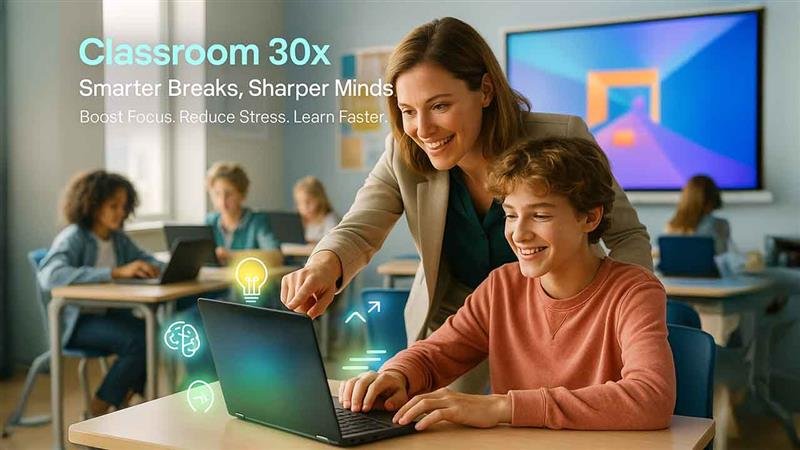

What is Classroom 30x?
The concept of Classroom 30x represents a progressive shift in educational environments, originating from a need to adapt to the modern demands of teaching and learning. Characterized by its emphasis on flexible learning spaces, Classroom 30x breaks away from the traditional classroom setup that typically relies on fixed desks and a one-size-fits-all approach. Instead, it introduces a versatile framework designed to foster collaboration, creativity, and critical thinking among students.
Classroom 30x fundamentally differs from conventional classrooms by allowing a variety of learning methods that cater to diverse educational needs. It supports differentiated instruction, where learners engage in activities that match their personal learning styles, whether visual, auditory, or kinesthetic. This dynamic environment not only motivates students but also empowers educators to utilize various teaching strategies—including project-based learning, inquiry-based techniques, and peer teaching—to reach every learner effectively.
A successful implementation of Classroom 30x can be observed in several educational institutions around the world. For instance, schools that have adopted such a model often report increased student engagement and collaboration. In a particular case, an elementary school transformed its classrooms by integrating movable furniture, allowing students to reconfigure spaces based on the task at hand. This enabled small group discussions and team projects to thrive in environments that encourage interaction rather than passive reception of information.
Moreover, educational leaders emphasize the importance of integrating technology within Classroom 30x. With tools such as interactive whiteboards, tablets, and online resources, students can explore content in ways that resonate with them, bridging the gap between traditional methods and contemporary learning trends. The essence of Classroom 30x lies in its commitment to providing a holistic educational experience that evolves with the changing landscape of education.
Key Features of Classroom 30x
The Classroom 30x concept represents a paradigm shift in the design and function of educational environments. Its core characteristics are geared towards fostering higher levels of engagement and interaction among students. One of the most notable features of Classroom 30x is the innovative furniture arrangements that facilitate dynamic learning activities. Furnishings are typically modular, allowing for swift reconfiguration depending on the educational tasks at hand. This flexibility enables educators to establish varied group settings, thereby accommodating different learning styles and promoting collaborative work.
In addition to adaptable furniture, technology integration is another hallmark of Classroom 30x. Classrooms are equipped with advanced technological tools, such as interactive whiteboards and student response systems, which greatly enhance the teaching and learning experience. These technologies not only support diverse instructional strategies but also encourage students to take an active role in their education. By seamlessly blending technology into the classroom, educators can create an enriched learning atmosphere that resonates with tech-savvy students.
Collaborative spaces specifically designed for group work constitute another significant feature of Classroom 30x. These areas are strategically planned to nurture teamwork and communication among students. Groups can engage in projects, discussions, and problem-solving activities in environments that are free from traditional barriers. These collaborative interactions help reinforce critical thinking and reinforce the social skills necessary for teamwork. The combination of innovative furniture arrangements, technology integration, and dedicated collaborative spaces transforms Classroom 30x into an interactive educational environment where students are empowered to contribute actively to their learning journeys.
Benefits and Challenges of Adopting Classroom 30x
The implementation of Classroom 30x presents various benefits that can significantly enhance the educational experience for both students and educators. One of the foremost advantages is the potential for improved student performance. Studies have shown that interactive and student-centered learning environments, such as those found in Classroom 30x settings, can lead to better comprehension, retention, and application of knowledge. By emphasizing collaborative learning and critical thinking, students are often more engaged and perform at higher academic levels.
Furthermore, Classroom 30x fosters increased motivation among learners. In this model, students have greater autonomy and opportunities to explore their interests, which can lead to a more personalized learning experience. This sense of ownership over their education can empower students to take charge of their learning journey, cultivating a deeper intrinsic motivation to succeed. Additionally, the classroom structure encourages social interactions and collaboration, strengthening the sense of community among peers. This collaborative atmosphere can lead to improved communication skills and teamwork ability, essential competencies for future workforce participation.
Despite these advantages, adopting the Classroom 30x model does come with certain challenges. One such challenge is the requirement for thorough teacher training and professional development. Educators must be equipped with the necessary pedagogical skills to effectively implement this innovative learning approach. Professional development programs should be prioritized to ensure teachers are confident and capable in the Classroom 30x environment.
Another potential obstacle is the financial investment required for transitioning to this model. Educational institutions may face budget constraints that can hinder the successful implementation of Classroom 30x. This includes costs related to acquiring new materials, technology, and physical space adjustments to create suitable learning environments. Addressing these challenges requires careful planning and resource allocation by educational leaders.
Implementing Classroom 30x: Best Practices
Successful implementation of the Classroom 30x model necessitates a strategic approach, wherein both planning and execution are executed with care. Educational leaders emphasize the importance of developing a clear vision that aligns with the specific needs and goals of the institution. This necessitates engaging stakeholders, including teachers, students, and parents, in the discussion to foster a sense of ownership and accountability. Securing buy-in from all parties involved is crucial as it lays the foundation for a collaborative environment conducive to growth.
A key factor in the implementation of Classroom 30x is the careful selection of resources and technologies that will augment the learning process. Educators should consider integrating tools that promote interactive learning experiences while also enhancing accessibility for all students. Ongoing professional development for teachers is equally vital, as it equips them with the skills necessary to navigate changes in classroom dynamics effectively. Workshops, peer learning sessions, and continued support can contribute meaningfully to teacher confidence and instructional strategies.
Monitoring and evaluation stand as cornerstones of successful classroom transformation. Educational leaders recommend establishing metrics for assessment that not only measure student performance but also capture feedback on the classroom environment. Periodic reviews can help in identifying areas requiring adjustment or enhancement. The iterative process of evaluating the effectiveness of the Classroom 30x approach ensures that the learning space evolves to meet emerging challenges and opportunities.
In conclusion, implementing Classroom 30x successfully hinges upon strategic planning, resource selection, ongoing professional development for educators, and a robust evaluation framework. By adopting these best practices, schools can create transformative learning spaces that empower both teachers and students, thereby enriching the educational experience.