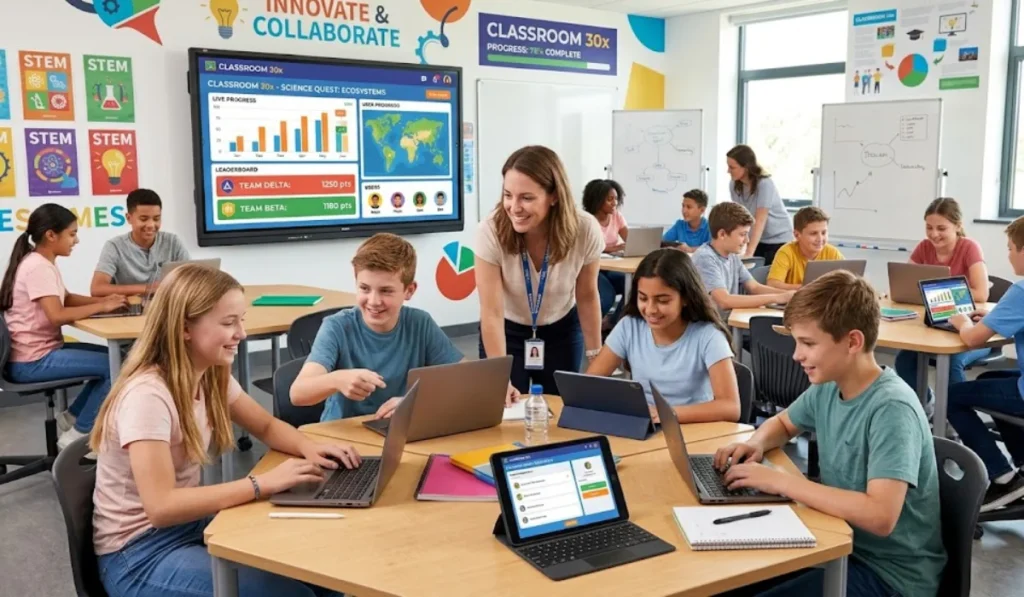

What is Classroom 30x?
The concept of Classroom 30x represents a transformative approach to learning environments, characterized by its emphasis on collaboration, technology integration, and flexibility. Unlike traditional classrooms that typically follow a rigid structure, Classroom 30x fosters an adaptive learning space where students engage actively and collectively in the learning process. This model is built upon foundational theories in education that champion active learning and learner-centered pedagogy.
One of the defining features of Classroom 30x is its commitment to collaborative learning. In this environment, students work together on projects and problem-solving activities, developing essential social and critical thinking skills. Rather than being passive recipients of knowledge, learners are encouraged to take ownership of their educational journey, facilitating deeper understanding and retention of information. This shift away from traditional, lecture-based formats marks a significant advancement in pedagogical practices.
Additionally, Classroom 30x integrates cutting-edge technology to enhance learning experiences. Interactive tools such as smart boards, learning management systems, and digital resources are seamlessly incorporated, allowing educators to tailor their teaching methods to individual learning needs. This integration ensures that students can access a wealth of information and diverse perspectives, expanding their cognitive horizons and fostering innovative thinking.
Flexibility is another hallmark of the Classroom 30x model. The physical layout of the space is designed to promote agility, with movable furniture and adaptable teaching areas. This arrangement accommodates various teaching styles, whether it be group discussions, hands-on experiments, or individual study, creating a dynamic educational setting that responds to the ever-evolving needs of students. Overall, the Classroom 30x framework signifies a departure from conventional education, ushering in a new era of collaborative, technology-driven, and flexible learning environments.
Benefits of Implementing Classroom 30x
The implementation of the Classroom 30x framework presents a myriad of advantages that can significantly enhance the educational experience for both students and educators. A primary benefit is the marked increase in student engagement. By utilizing innovative teaching practices and integrating technology within the classroom, educators can create dynamic and interactive learning environments that capture students’ attention. Research indicates that classrooms employing the Classroom 30x model witness a higher level of participation and interest from learners, which fosters a more positive learning atmosphere.
Another noteworthy benefit of Classroom 30x is the improvement in learning outcomes. Studies reveal that students in this redefined learning space often achieve higher academic performance compared to traditional classroom settings. This improvement can be attributed to tailored instructional strategies that accommodate diverse learning preferences. The Classroom 30x approach promotes differentiated instruction, allowing educators to cater to the individual needs of students, thereby enhancing comprehension and retention of material.
Additionally, the adaptability offered by Classroom 30x is crucial for addressing the wide spectrum of learning styles present among students. In an increasingly diverse educational landscape, teachers are tasked with meeting various needs, and Classroom 30x aids in doing just that. This approach encourages collaborative learning, critical thinking, and problem-solving, equipping students with the skills necessary for success in their future endeavors. Case studies have shown that schools adopting the Classroom 30x framework report greater student satisfaction and a decline in behavioral issues, indicating a more harmonious classroom environment.
In light of these benefits, the adoption of Classroom 30x can serve as a transformative step towards redefining educational practices and fostering a culture of active learning and collaboration.
Challenges and Considerations in Transitioning to Classroom 30x
Transitioning to a Classroom 30x model presents several challenges for educational institutions, primarily stemming from resistance to change among educators, technological requirements, and budget constraints. Teachers might feel apprehensive about adopting new methods, particularly if they have been entrenched in traditional teaching strategies for years. This resistance can manifest in various forms, from skepticism about the efficacy of new approaches to reluctance in utilizing unfamiliar technology.
In addition to personnel resistance, the transition to a Classroom 30x framework necessitates significant technological infrastructure upgrades. This may involve acquiring new devices, platforms, and educational software, which could be daunting for schools with limited resources. Moreover, successful integration of technology into the classroom environment hinges on adequate training. Ensuring that educators are comfortable with these tools is critical for implementing innovative teaching strategies within the Classroom 30x model effectively.
Another key consideration is the financial aspect of this transition. Budget limitations can severely impact the ability of an institution to upgrade its infrastructure or provide the necessary professional development for staff. Schools must explore various funding options, such as grants, partnerships, and community support, to address these financial obstacles. Additionally, schools might consider piloting Classroom 30x in phases, allowing for a gradual integration of both the teaching methodologies and the technology required.
To facilitate a smoother transition, it is essential for educational leaders to communicate the benefits of Classroom 30x clearly to all stakeholders involved. Involving educators in the decision-making processes and providing ongoing support can help to mitigate resistance. Furthermore, a robust training program tailored to empower teachers will enhance their confidence and bolster the chances of a successful transition. Planning and addressing these challenges proactively can significantly ease the shift towards a Classroom 30x model.
Future of Classroom 30x and Its Impact on Education
The future of Classroom 30x holds promising prospects for transforming the educational landscape. As education continues to adapt to the demands of a global economy, the innovative features of Classroom 30x can effectively cater to diverse learning needs. This approach emphasizes flexible learning environments, collaborative technology, and personalized instruction, which are crucial in preparing students for a rapidly changing world.
One of the most significant trends shaping the future of Classroom 30x is the integration of emerging technologies. Advancements in artificial intelligence, virtual reality, and augmented reality are expected to enhance the learning experience by creating immersive and engaging classrooms. These technologies can facilitate real-world simulations, allowing students to apply theoretical knowledge in practical scenarios. Additionally, as digital literacy becomes increasingly essential, incorporating these tools within Classroom 30x will equip students with the skills necessary for future careers.
Moreover, the focus on personalized learning within Classroom 30x will likely drive educational reform. Educators will have the capability to tailor lessons to individual student needs, promoting a more inclusive approach to education. This could lead to higher engagement levels among students, as they feel more connected and invested in their learning journeys.
Furthermore, collaborative learning will be prominent in the future of Classroom 30x. By encouraging peer-to-peer interaction and teamwork, students can develop critical thinking and problem-solving skills that are imperative for success in the modern workforce. Schools can employ flexible seating and modular environments, fostering creativity and cooperation.
Ultimately, Classroom 30x has the potential to redefine education by prioritizing adaptability and innovation. As we look toward the future, the impact of this learning model will persist, preparing students for the challenges and opportunities that lie ahead in an increasingly interconnected world.