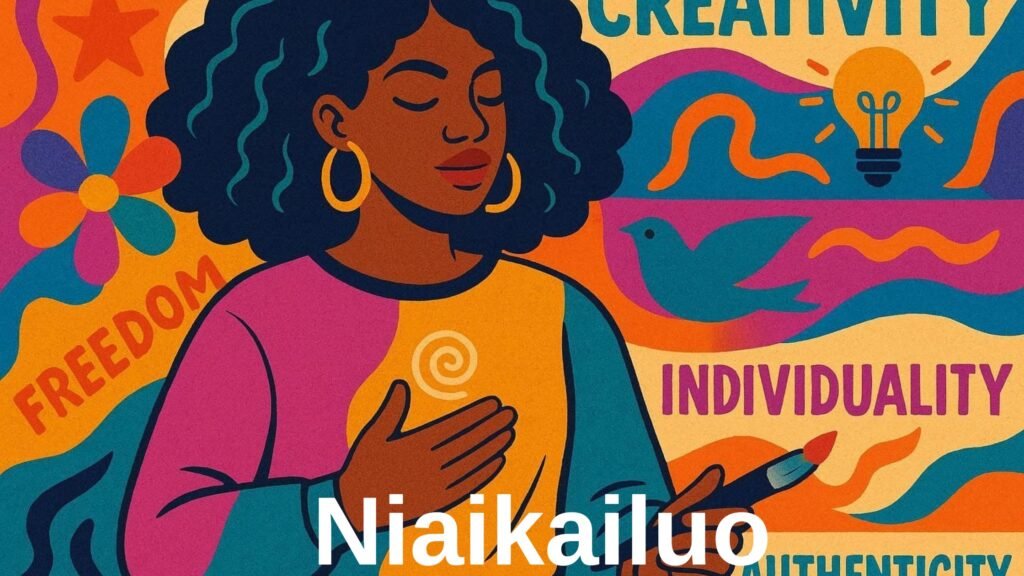

Introduction to Niaikailuo
Niaikailuo is a term that has emerged within various intellectual and cultural frameworks, igniting curiosity and speculation among scholars and enthusiasts alike. Although the precise origins of the word remain somewhat obscure, its usage can be traced back to multiple disciplines, including philosophy, cultural studies, and even specific ethnic narratives. Niaikailuo encapsulates not only a specific concept but also a multitude of meanings derived from its application in different settings.
The term often symbolizes a deeper understanding of existence, inviting individuals to explore the intricacies of their surroundings. Within certain cultures, niaikailuo is imbued with rich symbolism, often related to spiritual or metaphysical contexts. For example, it can denote a journey of self-discovery, emphasizing the importance of introspection and personal growth. The significance of niaikailuo is not limited to a solitary tradition; rather, it resonates across various cultural landscapes, each infusing it with unique interpretations.
In academic discussions, niaikailuo might serve as a lens through which scholars analyze societal norms and values, providing insights into human behavior and interactions. This term has become a focal point for interdisciplinary research, intertwining philosophical inquiries with practical applications in fields such as psychology, sociology, and anthropology. As the exploration of niaikailuo continues, its implications extend beyond mere terminology, affecting how individuals perceive their identity and connection to the world.
Overall, understanding niaikailuo requires an appreciation of its multifaceted nature, reflecting the complexities of human experience. Engaging with this term opens avenues for introspective dialogue, prompting individuals to question and interpret their own lived realities. Such exploration beckons us to delve deeper into its enigmatic qualities, fostering a more nuanced grasp of its relevance in our lives.
Historical Significance of Niaikailuo
The historical journey of niaikailuo is a rich tapestry that reflects the evolution of cultural practices and societal perceptions through various eras. Originally emerging as a regional phenomenon, niaikailuo can be traced back to ancient civilizations where it served both ceremonial and practical functions. This cultural artifact gained prominence as it was integrated into the local traditions, which emphasized communal bonds and rituals.
Throughout the centuries, notable figures have played crucial roles in its development and dissemination. Scholars and practitioners have documented its relevance in religious texts and historical accounts, illustrating how different eras shaped its meaning and application. For instance, during periods of upheaval, such as wars or migrations, the understanding of niaikailuo shifted dramatically as communities sought to preserve their identity while integrating new influences.
In more recent times, perceptions of niaikailuo have undergone significant transformations, particularly as globalization has exposed it to a broader audience. As academic interest in niaikailuo intensified, scholars began to explore its applicability in modern fields such as anthropology, sociology, and cultural studies. The quest to unravel its mysteries has not only deepened our understanding of its origins but has also highlighted its relevance in contemporary society.
The impact of niaikailuo on today’s social landscape is evident in its incorporation into various cultural expressions, art, and literature. Through these mediums, the historical significance of niaikailuo continues to resonate, evoking a sense of nostalgia and connection to past traditions. Therefore, as we reflect on the lineage of niaikailuo, we recognize its enduring legacy and the vital role it plays in shaping cultural narratives today.
Cultural Interpretations and Contemporary Uses of Niaikailuo
The concept of niaikailuo, while rooted in specific cultural narratives, is interpreted diversely across various societies. In many indigenous cultures, niaikailuo is seen as a symbol of balance and harmony, often reflecting the intricate relationships between nature and humanity. For instance, in some tribal arts, niaikailuo manifests in motifs that depict the cyclical patterns found in ecosystems, such as migration and seasonal changes. Artists employ this theme to express not only the beauty of the natural world but also the interconnectedness of all life forms.
Contemporary applications of niaikailuo have seen it gain traction in literature and fine arts, where it serves as a metaphor to explore personal and societal struggles. Several modern writers draw inspiration from niaikailuo to illustrate themes of resilience and transformation, often culminating in narratives that resonate with the quest for identity in a rapidly changing world. For instance, in one notable novel, the protagonist’s journey mirrors the ebb and flow signified by niaikailuo, offering readers a profound commentary on the human experience.
The digital realm also showcases the versatility of niaikailuo, with contemporary graphic designers and digital artists reinterpreting traditional motifs. These modern expressions breathe new life into the concept, enhancing its relevance in today’s fast-paced society. By incorporating elements of niaikailuo into digital installations or interactive experiences, artists challenge audiences to reflect on their own connections to nature and heritage.
The versatile interpretations of niaikailuo across various cultures underscore its significance as a profound symbol of unity and transformation, inspiring contemporary creatives to explore and express its essence in innovative ways. Such diversity in thought allows niaikailuo to remain a vital part of artistic and cultural dialogue, encapsulating the ongoing dialogue between the past and the present.
Future Perspectives: Niaikailuo in a Globalized World
The concept of niaikailuo, which has roots in specific cultural and social contexts, stands at a pivotal intersection as we progress further into a globalized society. The expansion of communication technologies and interconnectedness among diverse cultures is likely to reshape the definition and significance of niaikailuo in profound ways. In such an environment, the traditional meanings associated with niaikailuo may evolve, incorporating new interpretations and practices influenced by global perspectives.
As societies increasingly embrace multiculturalism, the narratives surrounding niaikailuo could diversify. This expansion may lead to a richer understanding that incorporates insights from various cultural backgrounds, highlighting how different communities interpret and adapt the principles inherent in niaikailuo. This potential blending of ideas may encourage innovative approaches to problem-solving, collaboration, and cultural exchange.
Furthermore, the global economy is another arena in which niaikailuo’s relevance may grow. As organizations and communities seek to adapt to rapid changes, it is essential to consider how the principles behind niaikailuo can inform sustainable practices and ethical considerations in business. Utilizing the tenets of niaikailuo, companies might strive to create inclusive environments that celebrate diversity while promoting cooperation, ultimately enriching their operational frameworks.
As we advance into the future, it becomes crucial for individuals, communities, and organizations to critically consider the implications of niaikailuo across various contexts. Engaging in open discussions about its evolving definition will ensure that its essence is preserved while allowing for adaptability. By embracing the complexities surrounding niaikailuo, we can harness its potential to create a more inclusive and harmonious global society.