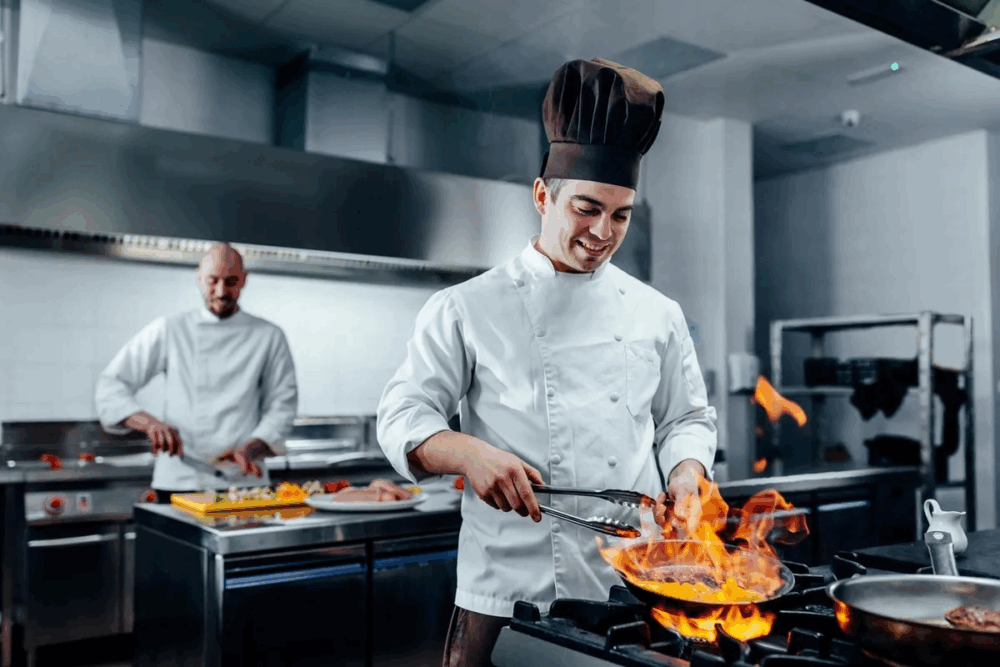

The Essence of Good Cooking
Good cooking is a multifaceted endeavor that transcends the mere act of following recipes. At its core, it embodies a harmonious blend of flavors, innovative techniques, and top-quality ingredients. Understanding these principles is essential for anyone looking to elevate their culinary skills. To begin with, the balance of flavors is paramount in good cooking. Achieving this balance involves a keen sense of taste and a willingness to experiment with various ingredients. Sweetness, acidity, bitterness, saltiness, and umami each play a crucial role in constructing dishes that delight the palate. For instance, a pinch of salt can enhance sweetness, while a dash of acidity can brighten richness. Therefore, developing an intuitive grasp of how these elements interact is vital for a successful culinary experience.
Additionally, mastering diverse cooking techniques is essential in the pursuit of good cooking. Various methods—such as grilling, sautéing, or poaching—allow for different textures and flavors to emerge in food. Each technique offers unique advantages and can significantly alter the final dish. Embracing a variety of cooking methods enriches one’s culinary repertoire and fosters creativity in the kitchen.
Moreover, the importance of fresh ingredients cannot be overstated in the context of good cooking. Using seasonal and locally sourced produce not only enhances flavor but also supports sustainable practices. Fresh ingredients bring vibrancy and authenticity to dishes, ensuring that each meal is not just nourishing but also enjoyable. A well-informed cook understands the value of quality over quantity, selecting the best ingredients available as a fundamental principle of fine cooking.
Ultimately, good cooking is about more than just technical skills; it requires creativity, intuition, and an understanding of food science. By honing these aspects, cooks can develop a unique style that reflects their personality and resonates with those who enjoy their culinary creations.
Tools of the Trade: Equip Yourself for Good Cooking
In the realm of culinary endeavors, having the proper tools is paramount to achieving good cooking results. A well-equipped kitchen elevates the cooking experience and enhances the flavors and presentation of meals. One of the most critical tools for any aspiring home chef is a high-quality chef’s knife. This versatile instrument allows for precise cutting, dicing, and chopping, enabling cooks to prepare ingredients with ease. The importance of investing in a good knife cannot be overstated, as it directly impacts both safety and efficiency in the kitchen.
Another essential item is a durable cutting board. Wooden or plastic boards each have their advantages, but regardless of the material chosen, a sturdy cutting board provides a reliable surface for food preparation. Proper maintenance, such as regular cleaning and the application of wood oil for wooden boards, contributes to longevity and hygiene, further improving the cooking process.
A selection of cooking utensils is also crucial—including spatulas, ladles, and whiskers—each serving a unique purpose that aids in various cooking techniques. Non-stick pans are vital for easy cooking and clean-up, as they prevent food from sticking and help cook ingredients evenly. Stainless steel or cast-iron pots offer excellent heat retention, providing home cooks with the ability to sear, sauté, or simmer effectively.
Moreover, measuring tools such as spoons and cups are indispensable in achieving precision in recipes. Accurate measurements ensure that ingredients are in the right proportions, which is fundamental for successful cooking results. Thermometers can also be beneficial to determine doneness, particularly for meats, allowing for perfectly cooked dishes.
Ultimately, investing in quality kitchen tools not only enhances the cooking process but also enriches the overall culinary experience. As home chefs cultivate their skills, the right equipment lays the groundwork for improved confidence and proficiency in good cooking.
Techniques That Transform: Mastering Good Cooking Skills
Achieving good cooking is fundamentally rooted in the mastery of essential culinary techniques. By honing skills such as sautéing, roasting, poaching, and baking, home cooks can significantly enhance meal quality and broaden their culinary horizons.
Sautéing is a quick cooking method ideal for vegetables and proteins. For optimal results, ensure the pan is at the desired temperature before adding ingredients. Utilizing oil or butter will help achieve that golden-brown color without losing moisture. When sautéing, it is vital to not overcrowd the pan to maintain high heat and foster proper browning.
Roasting, on the other hand, is perfect for bringing out flavors in meat, vegetables, and even fruits. This technique involves cooking food in a dry heat environment, often in an oven. To master roasting, preheat the oven and season your ingredients well. Utilizing a roasting rack can promote even cooking by allowing air to circulate around the food.
Poaching is a gentle technique often used for delicate proteins such as eggs or fish. The key to successful poaching is maintaining a low, steady temperature in simmering water or broth. For enhanced flavor, consider adding aromatics like herbs or spices to the poaching liquid. This technique exemplifies how good cooking can maintain the integrity of the ingredient while infusing it with complementary flavors.
Baking, a method often associated with desserts, is equally useful for savory dishes. Accurate measurements of ingredients and proper temperature control are essential here. Baking can transform simple mixtures into complex flavors and enticing textures, illustrated by the range of baked goods, from bread to casseroles.
In summary, mastering these fundamental techniques will undoubtedly elevate one’s capability in the kitchen. Through practice and experimentation with sautéing, roasting, poaching, and baking, individuals can refine their skills, leading to enhanced culinary experiences and a deeper appreciation for good cooking.
Embracing Good Cooking at Home: Recipes and Inspiration
Good cooking at home is an opportunity for personal expression and creativity in the kitchen. By utilizing the principles and techniques previously discussed, anyone can elevate their culinary skills and enjoy the process of preparing meals. Start by selecting a few recipes that align with your preferences and the ingredients you have on hand. Here are three simple yet delightful recipes to inspire you.
1. Mediterranean Quinoa Salad
Begin by rinsing 1 cup of quinoa under cold water. Cook it in 2 cups of water or vegetable broth until fluffy, which typically takes about 15 minutes. In a bowl, combine chopped cucumbers, tomatoes, red onion, and a handful of parsley. Once the quinoa has cooled, mix it with the vegetables. For a dressing, whisk together olive oil, lemon juice, salt, and pepper, then drizzle over the salad. This dish embodies good cooking as it is healthy, colorful, and can be served as a main or side.
2. One-Pan Chicken and Vegetables
This straightforward recipe demonstrates the ease of good cooking. Preheat your oven to 400°F (200°C). On a large baking sheet, place chicken thighs, sliced bell peppers, and zucchini. Drizzle with olive oil and sprinkle your favorite herbs, such as thyme or rosemary, over the top. Roast for 30-40 minutes until the chicken is cooked through and the vegetables are tender. This meal minimizes cleanup while maximizing flavor and nutrition.
3. Creamy Vegetable Pasta
Cook 8 ounces of your choice of pasta according to package instructions. Meanwhile, sauté garlic and seasonal vegetables like spinach or broccoli in olive oil until tender. Add a splash of vegetable broth and a few tablespoons of cream to create a sauce. Toss the cooked pasta with the sauce and finish with a generous sprinkle of Parmesan cheese. This recipe not only showcases good cooking techniques but encourages improvisation based on available ingredients.
By trying out these recipes, you not only practice good cooking but also foster a mindset focused on creativity and exploration in the kitchen. Remember, the process is just as important as the final product, so embrace your culinary journey with enthusiasm and joy.